


The textile spot cleaning gun — often called a spot removal gun or blow-out gun — has become the number-one tool for rescuing garments that would otherwise end up in the scrap bin. From removing ink splatters to correcting small print imperfections, these devices offer precision cleaning with high-pressure solvent technology.
This guide explains how they work, why they’re essential, and how modern best practices keep them safe and environmentally responsible.
What Is a Textile Spot Cleaning Gun?
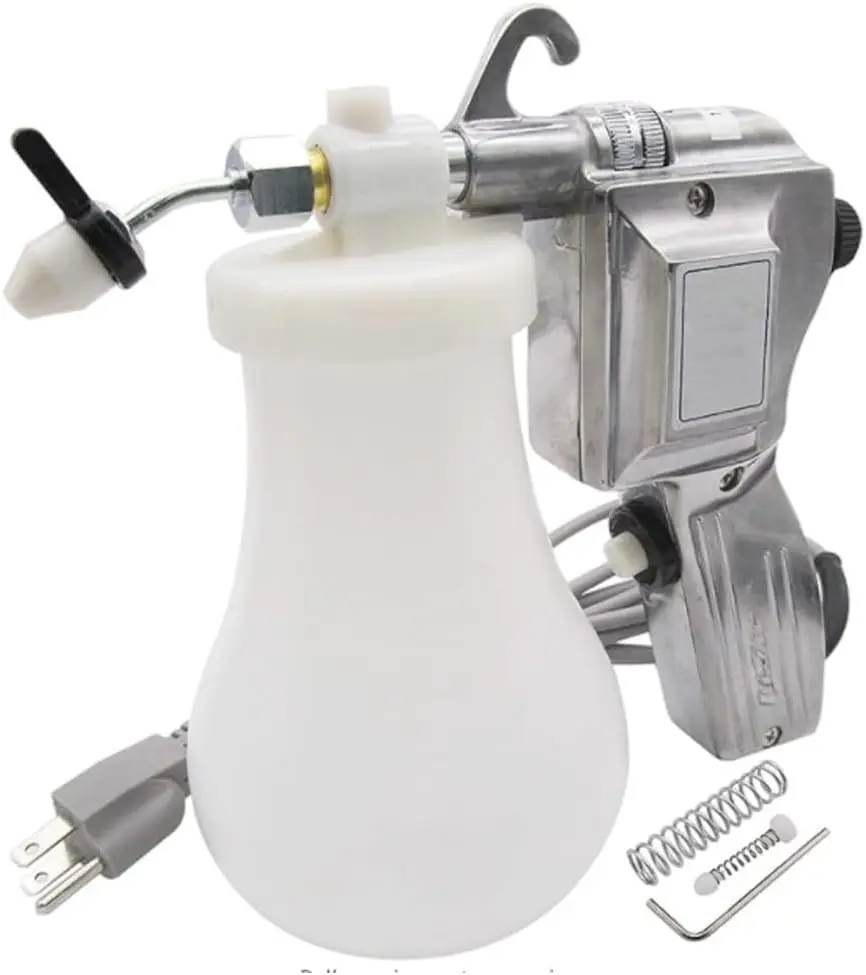
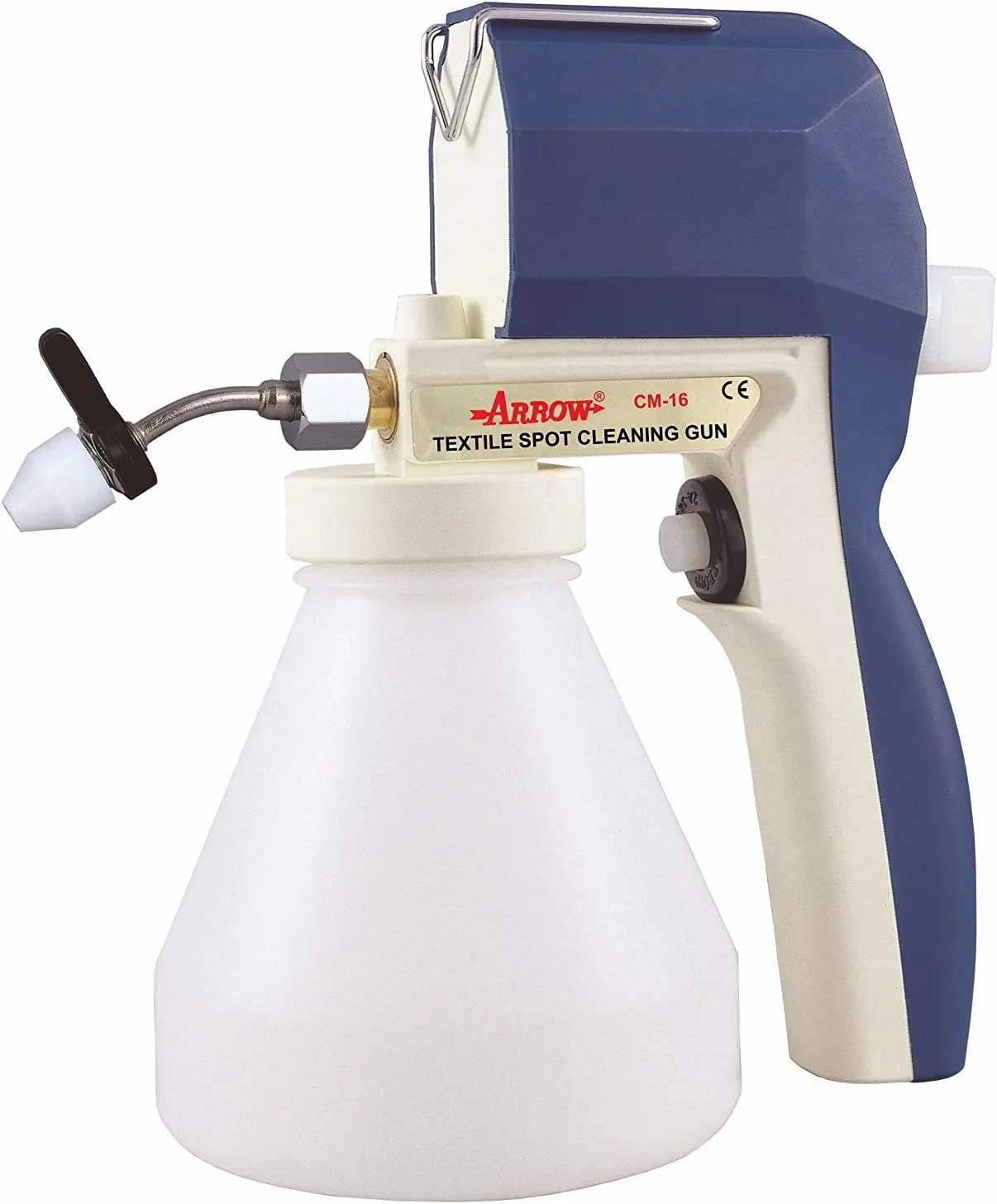
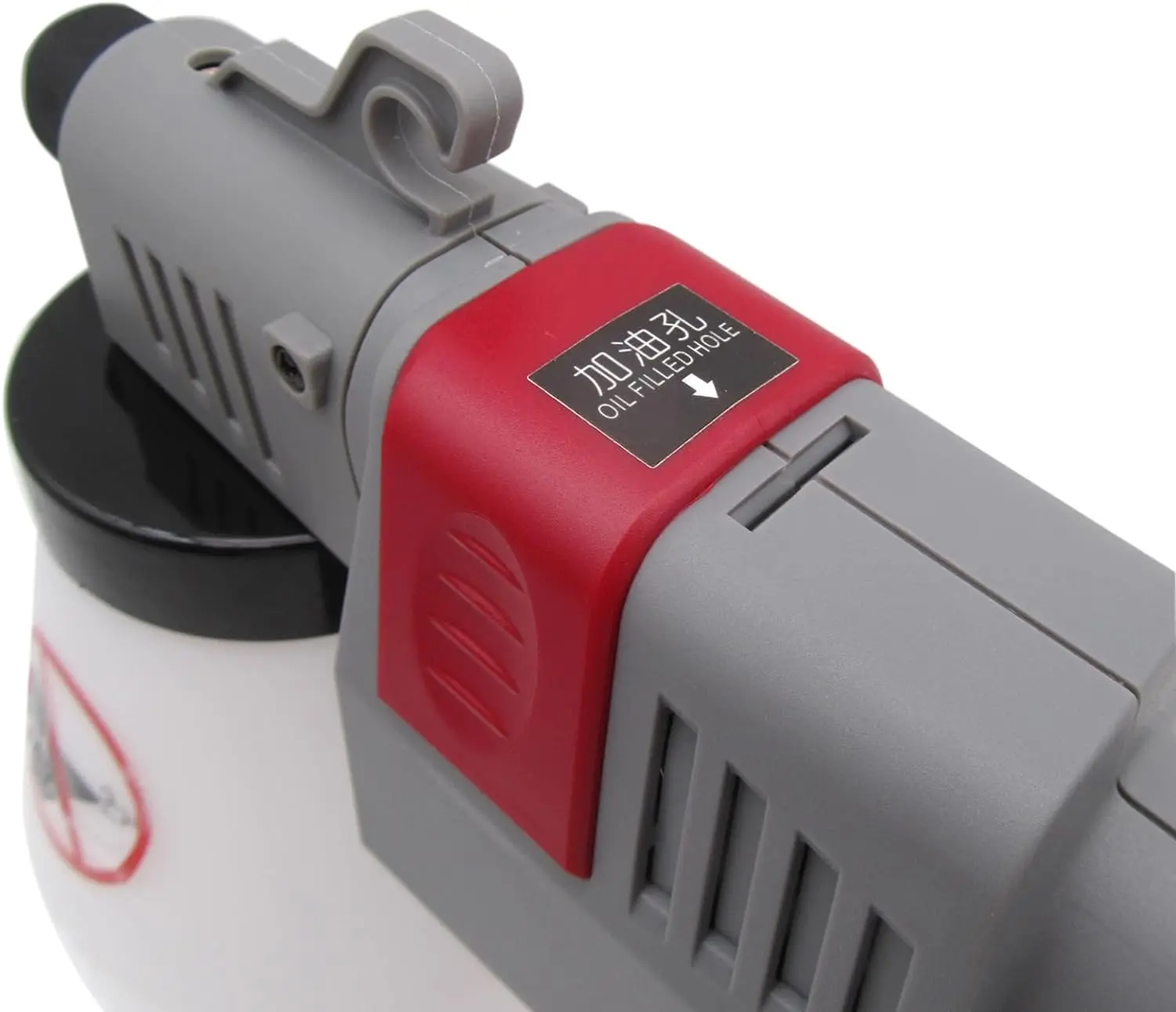
A textile spot cleaning gun is a compact, electrically powered device that sprays a specialized cleaning fluid at very high pressure onto fabric.
Its purpose is simple:
→ Remove stains, ink spots, fingerprints, oils, and even cured plastisol from garments — without damaging the textile.
Where They Are Used
- Screen printing shops
- Garment factories
- Sublimation and DTF finishing departments
- Wig and costume cleaning
- Electronics and roller cleaning
Spot guns are known by several names:
spot cleaner, knock-out gun, blow-out gun, ink remover gun.
How It Works: Inside the Technology
Modern spot cleaning guns rely on an airless, electromagnetic piston system.
Here’s the simplified breakdown:
- An electric motor activates a piston.
- The piston pressurizes the cleaning fluid in a small reservoir.
- The fluid exits through a sharp, stainless-steel nozzle at high velocity.
This creates a focused micro-jet, similar to a miniature pressure washer — but engineered specifically for textiles.
Key Performance Features
- Adjustable spray pattern: mist → stream
- High-pressure precision: removes ink without soaking the garment
- Ergonomic handles: for long working hours
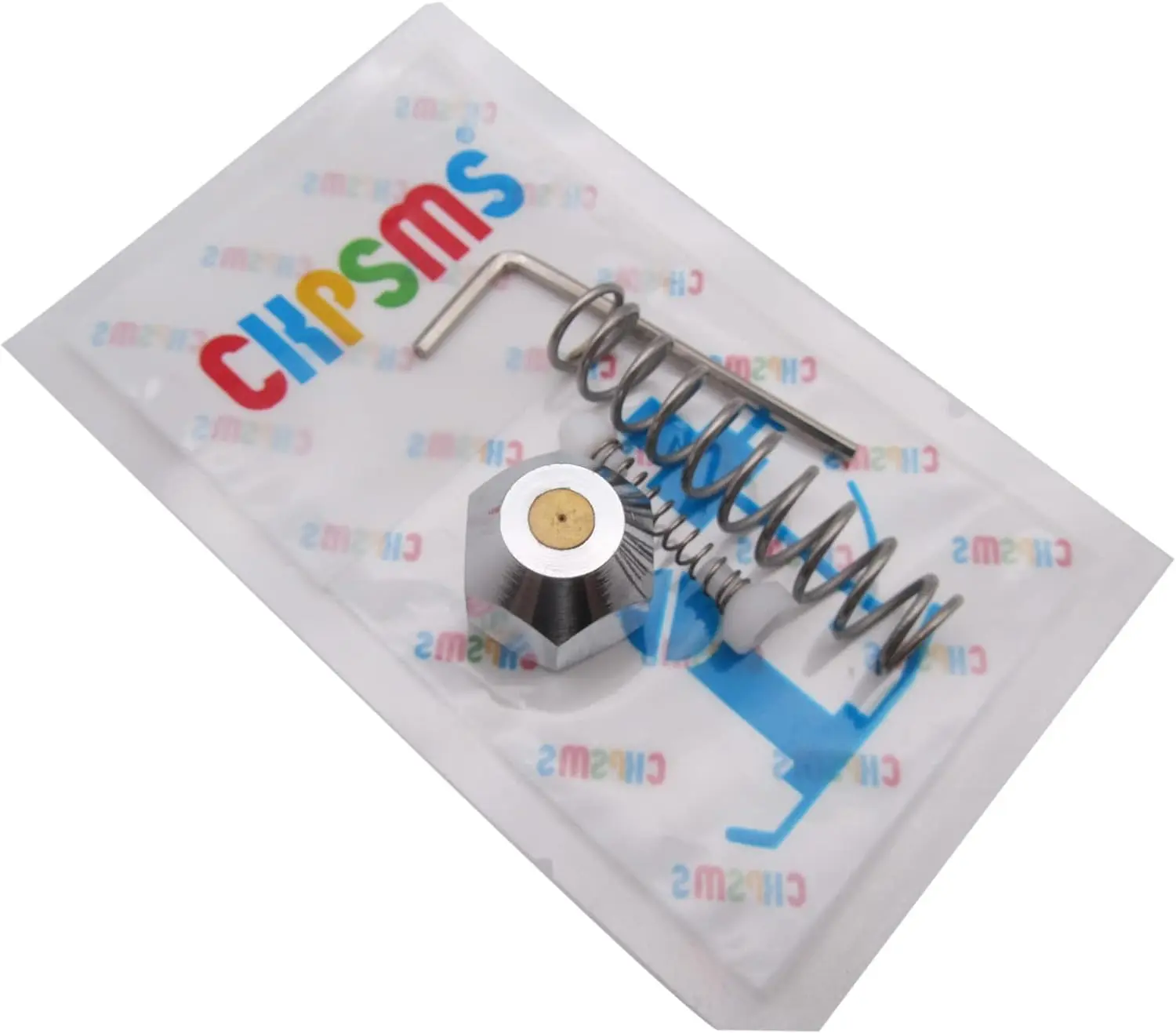
- Replaceable parts: especially the piston spring, the most common wear item
Correct Operation: Getting the Best Results
Using a spot cleaning gun is easy — but technique determines success.
1. Cure the Ink First
If you spray uncured ink, it will smear and spread.
Always flash or fully cure the print before cleaning.
2. Prepare the Garment
Place a rag, waste cloth, or absorbent pad behind the stain.
This prevents backspray and absorbs dirty solvent.
3. Spray With Control
Start with a low pressure, then increase as needed.
For delicate fabrics (viscose, lightweight cotton, Lycra), too much pressure can cause holes.
When to Use Water vs. Solvent
- Water-based ink stains: water alone may work
- Plastisol or oil-based stains: require a specialized cleaning solution
Construction & Spare Parts: What You Must Know
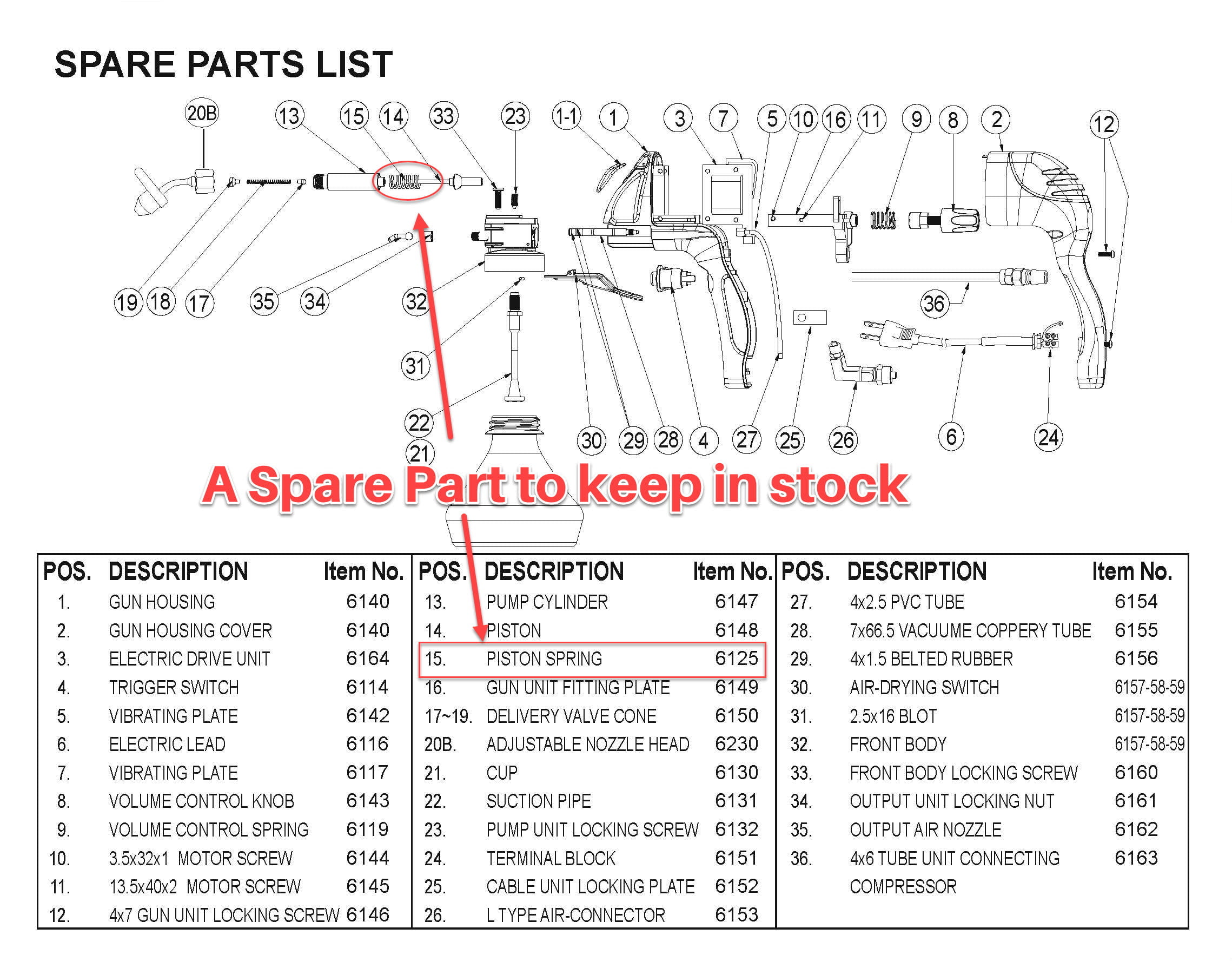
All spot cleaning guns share similar internal components:
- Piston
- Piston spring
- Nozzle
- Reservoir
- Trigger assembly
Popular spare-part-friendly brands include:
- AlbaChem Expert SP1000 / SP3000
- Albatross PSI/SP-3000 series
- Mystic / American Niagara
- CKPSMS Multi-Purpose Spot Gun
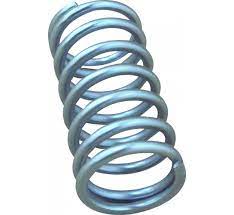
The piston spring wears out regularly — often multiple times per year.
Keeping spare springs in stock is essential for seamless production.
Safety: The Most Important Section
Spot cleaning guns are extremely effective — but must be used responsibly.
High-Pressure Injury Risk
The jet can inject fluid into your finger or skin, causing swelling, infection, and medical emergencies.
Always wear eye protection.
Never point the gun at yourself or others.
Chemical Risks
Traditional solvents such as Methylene Chloride or Trichloroethane were powerful but dangerous.
Modern solvents are safer but may still be:
- flammable
- highly volatile
- harmful if inhaled
Ventilation Is Mandatory
Use your spot gun:
- under a fume hood
- near an extraction unit
- in a well-ventilated workstation
Never use it in a closed room.
Environmental Considerations
Disposal of spot cleaning chemicals is one of today’s biggest concerns.
Key modern best practices:
- Choose eco-safer solvents recommended by your supplier.
- Never pour used solvent down drains.
- Store chemicals in approved, solvent-proof containers.
- Replace fabrics or filters in ventilation systems regularly.
As regulations tighten, manufacturers are shifting to:
- low-VOC cleaners
- biodegradable agents
- improved containment bottles
Costs: What You Should Expect
Spot cleaning guns range widely in price depending on build quality.
| Type | Price Range | Typical User |
|---|---|---|
| Low-cost models | $50–$80 | Occasional home use |
| Standard industrial | $120–$200 | Most print shops |
| Premium heavy-duty | $200–$350 | High-volume production |
Tip: Always buy spare piston springs with your gun — they are the most common failure point.
Getting the Best Results: Expert Tips
- Always test on a hidden area first.
- Keep the gun tip 3–6 cm away from the fabric.
- Use circular motions for most stains.
- Let the garment air out after cleaning to avoid solvent marks.
- Clean the nozzle regularly — dried solvent changes the spray pattern.
- Do not spray continuously for long periods; allow cooldowns.
Frequently Asked Questions (FAQ)
Can I use any cleaning fluid?
No.
Use water for water-based stains and special spot removal fluid for plastisol or oils.
Is it safe for all textiles?
Most, yes — but always test first.
Delicate fabrics like rayon, modal, or thin cotton may require lower pressure.
Can a spot gun remove cured plastisol?
Yes.
High pressure + correct solvent can blast it out.
Why does my gun lose pressure?
Likely the piston spring needs replacing.
Does spot cleaning leave marks?
Some solvents may leave rings if overused.
Test first and let the area fully dry.
Conclusion: The Unsung Hero of Every Print Shop
Textile spot cleaning guns have earned their place as one of the most valuable tools in screen printing. They save garments, reduce production waste, and deliver professional results when stains strike. With the right technique, solvent choice, safety setup, and maintenance routine, a spot cleaning gun can extend the life of every print job and dramatically reduce costs.
Used responsibly, this small device creates a massive impact — proving that even in a digital-first world, the magic of precise mechanical cleaning still matters.
Manual Download

