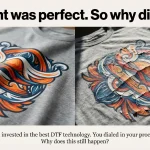
DTF Printing vs Screen Printing Durability: Which is Best?
Durability testing reveals 180g tight-knit cotton significantly outperforms 140g enzyme-washed garments. Learn why knit density and fiber anchors prevent DTF cracking.

Digital screen printing is transforming the industry, with Direct-to-Garment (DTG) and Direct-to-Film (DTF) technologies leading the way. DTG printing allows designs to be printed directly onto garments using dedicated inkjet printers, while DTF involves printing designs onto a film that is then transferred onto the garment.
These digital methods offer faster turnaround times, lower set-up costs and greater design flexibility than traditional screen printing. They also enable printers to handle shorter runs and one-off orders more efficiently.
Understand the world of DTG and DTF printing by exploring the equipment, techniques and benefits of these digital technologies. Whether you’re looking to expand your screen printing capabilities or streamline your production process, understanding DTG and DTF is key to staying competitive in today’s marketplace.
Durability testing reveals 180g tight-knit cotton significantly outperforms 140g enzyme-washed garments. Learn why knit density and fiber anchors prevent DTF cracking.
Screen Printing vs. Digital Printing: The Ultimate Guide for Choosing the Right Method
Direct to Film (DTF) printing is changing how custom apparel is made. The process is simple — print on film, add adhesive powder, and transfer the design with heat — yet it delivers bright, durable results on almost any fabric. Its versatility and ease of use make DTF a leading choice for small businesses and creators.
Discover the advantages of Digital Transfer Film (DTF) technology, including high-quality prints, versatility, cost-effectiveness, ease of use, and environmental benefits. Learn why DTF stands out in the printing industry.